
Shared Meals and Conversations Under the Big Sky

I love people. They have such interesting stories. I live in a small town in rural north central Montana. The stories are seldom boring. I didn’t grow up here, so that makes the stories even more interesting.
Our garden club meets once a month and we get together for lunch at the senior center before the meeting. They set up one big long table for us – about 18 people. I was sitting across from Roma Lee and we were commenting about the food. We talked about recipes and one thing led to another as it always does in a conversation. She began to tell me about being a camp cook on guide trips up into the Bob Marshall Wilderness, in her younger days. She and her husband just celebrated their 50th anniversary.
Her wild red hair suits Roma Lee’s personality. She is animated, opinionated and outspoken. We don’t always see eye to eye. It would be so boring if everyone did. Most often we agree to disagree. And don’t dare call her Roma. She will set you straight. “It’s Roma Lee.” She is a good friend and I am glad to know her. One could probably write a whole book about her exploits. She taught school up on the Blackfeet reservation. She and her husband, Ralph, fly up to northern Alaska once a year to a remote native village. But that’s another story.
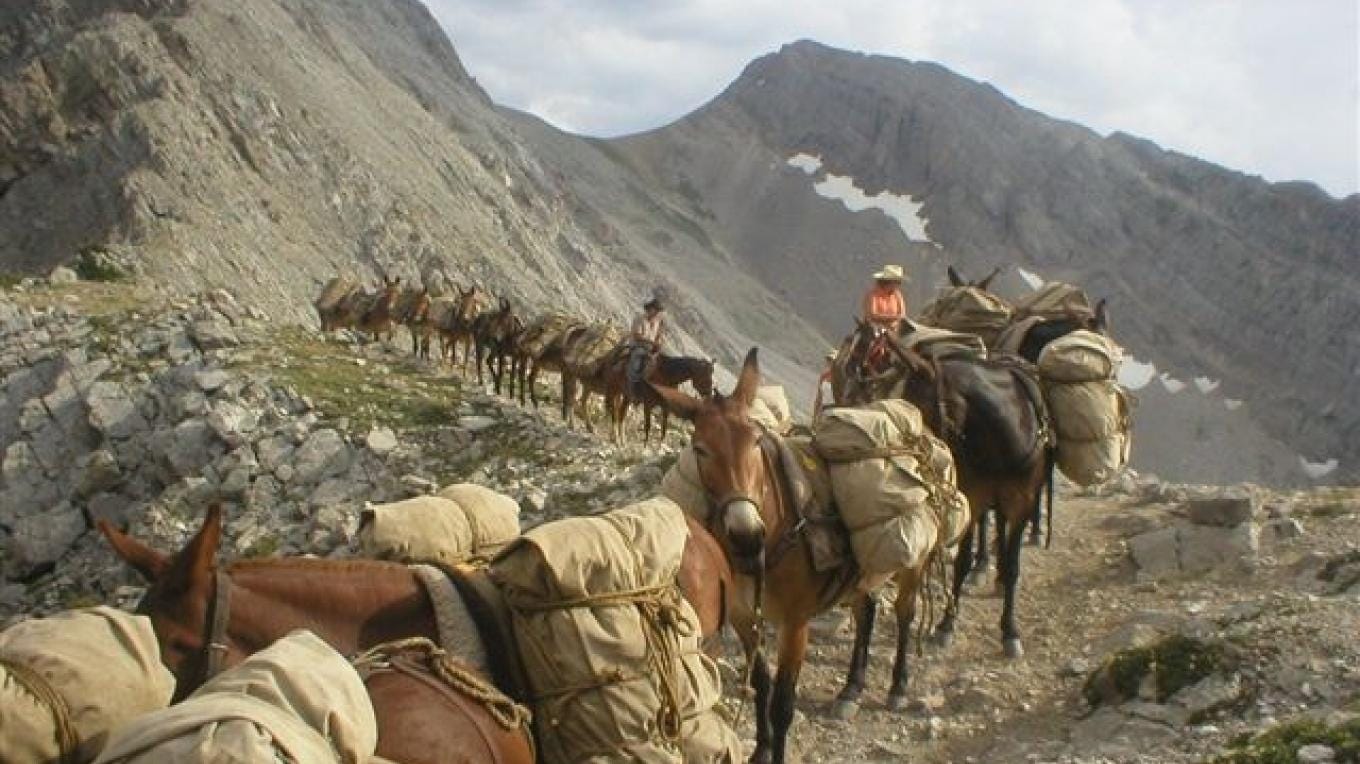
Roma Lee worked for an outfitter that led pack trips into the Bob Marshall Wilderness in the Rocky Mountains. They would load up to a dozen mules with equipment and food and guide people back into remote areas. Mules are more surefooted and can carry heavy loads. Campers on horseback are led single file on trails. For a week or two they can see the wildlife, sleep in tents, sit around a campfire, eat camp food, fly fish and float back out on a river raft. Depending on the time of year, and snow melt, wild rapids could make the float exciting. The Bob Marshall is known as the “Great Bear Wilderness” but it is also full of elk, deer, bighorn sheep, mountain goats, eagles, and moose. The “great bears” are 300-700 pound grizzlies. People from all over the world sign up for these trips. The scenery is breathtaking and anyone who has camped knows food always tastes better in the great outdoors.
She spoke casually about it, like packing into remote areas was an everyday thing. Instead of wild tales about bears or mishaps, she talked about the food.
“My camp stove was a big square,” said Roma Lee. “A sheet metal guy made it. It was a box within a box. The mules would pack it in.”
She began to explain how it was made, waving her arms and using her hands to show how a tube came in from the bottom and wound around the inside box, so heat from the campfire could circulate evenly.
“I would have a whole chicken, frozen with the legs and thighs stuffed inside like you would do the neck. After cutting it up, I put the pieces in a plastic bag full of seasoning and flour, kind of like shake ‘n bake,” she said. “I liked to use lard, but it was difficult to bring. It had to be stored in deep layers of packing because the bears like it. It’s food to them.”
Food on these trips or any trek into bear country has to be hung high up in trees with rope. Bears have a terrific sense of smell and will tear up a camp – and people – to get to food. An angry grizzly charges at about 40 mph. You can’t outrun them.
Roma Lee said the pack trips where she was cook were always full because she liked to use more complicated recipes. There were repeat customers.
“Some of the other camp cooks took short cuts and cooked the easy stuff,” she said. “Getting coffee to perk could be a challenge. Sometimes you couldn’t get water to boil.”
“Because of the lower oxygen at high altitude?” I asked.
“Well, maybe,” she answered. “Mainly it was the wood up there. It wouldn’t burn hot enough to boil water. Different kinds of wood burns at different temperatures.”
The boiling point of water decreases at high altitudes due to lower atmospheric pressure. At 5,000 feet it boils at about 203ºF instead of 212ºF. But a campfire at higher altitudes means oxygen levels are lower, fires burn cooler and take longer to start. The air is thinner, dryer and sometimes windy. A propane stove can fail due to altitude-induced pressure loss.
Cooking a meal for a group at altitude can be a real challenge. Roma Lee said she cooked a full meal and always made dessert.
“Spaghetti was always on the menu,” she said. “People asked for spaghetti sandwiches the next day. I baked my own bread.”
“Spaghetti sandwiches?” I asked. “Just noodles or with sauce?”
“People in other countries and back east like spaghetti sandwiches,” she answered. “I had never heard of it either. The sauce and meat were mixed in with the noodles. The outfitters and I tried it and we liked it, so it went on the regular menu.”
“I made a blueberry dessert where you have jello on the bottom and then layer whipped cream and blueberries on top. None of the other cooks would tackle jello.”
It was a challenge getting the gelatin to firm up.
“I would mix the jello with hot water. I used actual gelatin packets, so it would firm up better. Then I put the bowl in the river in a shady spot until it was firm enough to use. It never was fully firm like it getss in your refrigerator, but it was good enough to use and people loved it,” she said.
Unfortunately, the meeting started and our conversation was cut short. I definitely will get back with her to finish the story. I have so many questions. I am sure there’s a lot more to her wilderness treks than just the food.
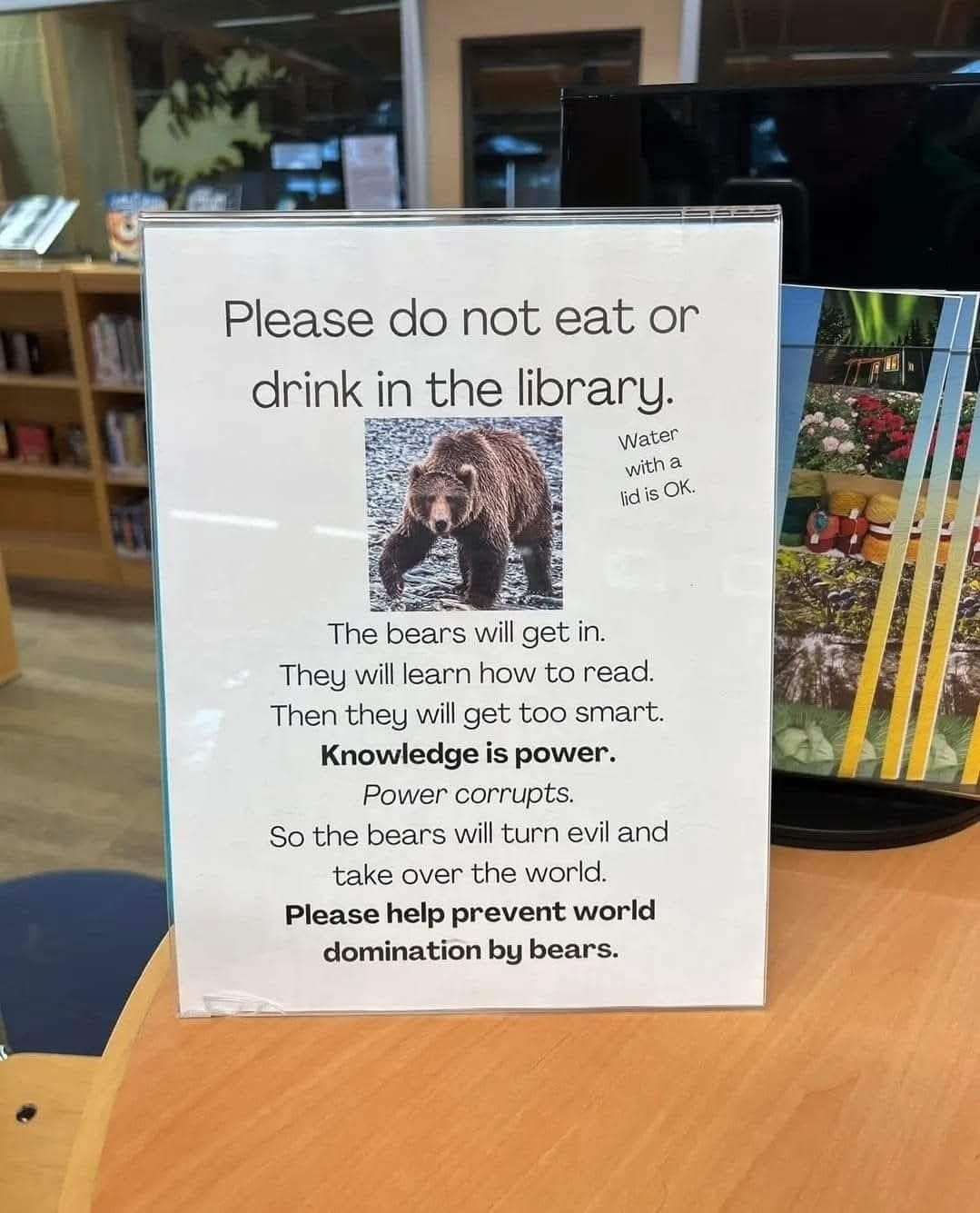
Seen at our local library:
https://centralmontana.com/specialinterest/bobmarshallwilderness/
I love your stories.
Thank you Linda.